🚀 DocRepute is in early access — free to startGet early access →
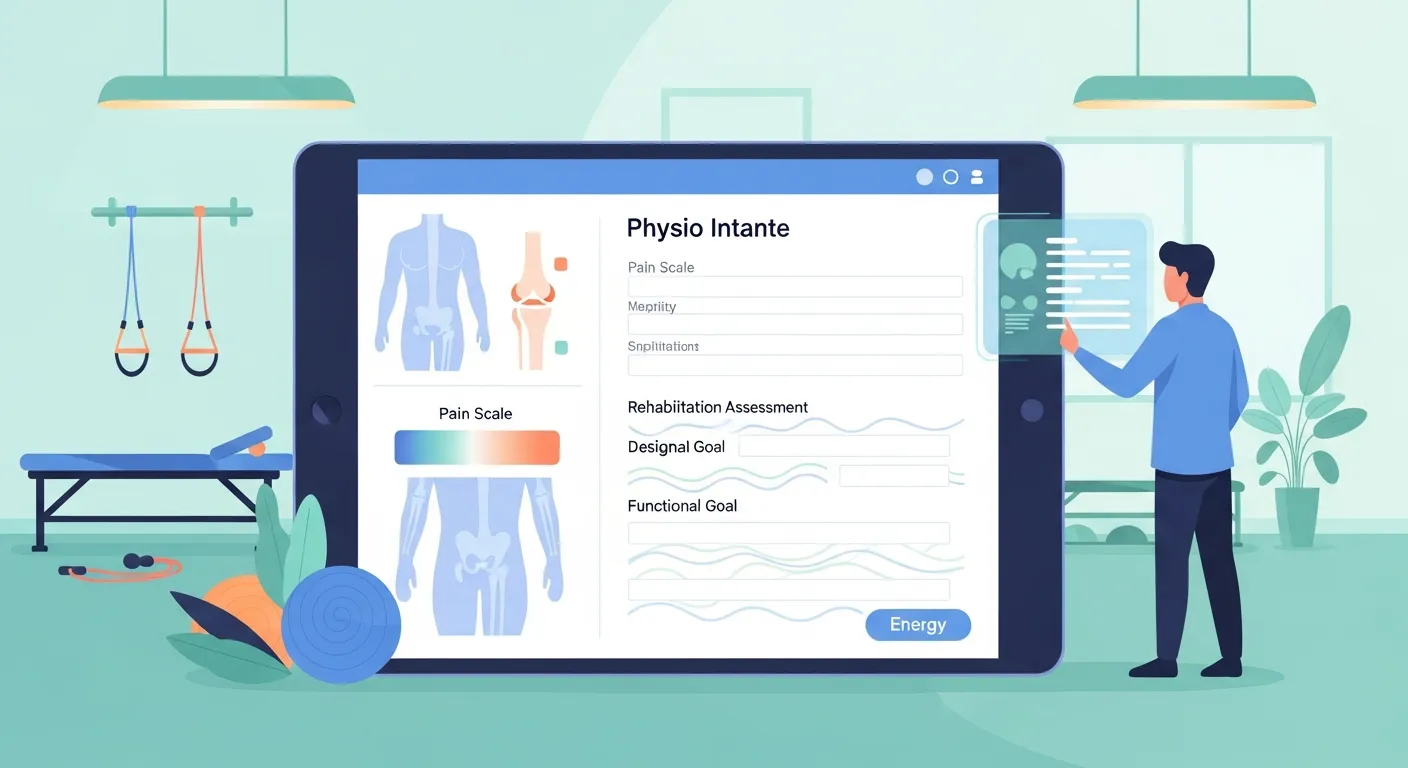
Physiotherapy intake form illustration
✨ Early access — free to start

A physical therapy intake form that gives back the first ten minutes of the evaluation

Referral details, symptom history, prior imaging, and what the patient can no longer do are captured before they arrive — so the evaluation starts with hands on, not with questions. Edit it, download the PDF, no account required.

D
M
R
S
Join healthcare practices on the waitlist

Form builder

Starting preset
Add field
Add field
Add field
Add field
Add field
Add field
Add field

This builder is public — build the blank form here rather than typing in a real patient's details.

Everything stays in your browser

A PT intake form template you can actually change

The physical therapy intake form most clinics use is inherited. Somebody built it years ago, it has been photocopied until the lines are grey, and nobody wants to rebuild it from scratch just to add one question. So it never changes. This preset opens with the sections a PT intake packet normally carries and every one of them is editable, which turns a rebuild into a five-minute edit. Take the physical therapy intake form PDF as it stands if it already suits you, or reshape it first. There is no signup, no email wall, and nothing held back to make you create an account.

  • Built for HIPAA-compliant workflows

  • Free to start — 50 patient actions each month

What a physical therapy patient intake form needs to cover

The administrative layer comes first: identification, contact, insurance, and the referral itself — referring provider, date, and the reason stated on it, plus whether a prescription or authorization is on file and how many visits it covers. Then the patient-reported clinical picture: where the symptoms are, when they started, what caused them if anything did, how they have changed since, and what makes them better or worse. Previous treatment for the same problem, including surgery, injections, and earlier courses of therapy. Prior imaging and where it was done. Current medications and relevant medical history, including anything that affects exercise tolerance. And the section that earns its place more than any other, covered next.

Ask what they cannot do, in their words

The most useful question on a PT intake form is rarely clinical. It is asking the patient which specific everyday things the problem has taken away — carrying shopping up the stairs, sleeping on that side, sitting through a meeting, lifting a grandchild. Answers written in the patient's own language before the appointment do two things a symptom checklist cannot. They give the evaluation a starting point that already reflects what matters to this person, and they hand you the goal the patient actually cares about, which is usually more motivating than a range of motion figure. It also means the first ten minutes of the eval are no longer spent extracting information the patient could have written down at home, unhurried, with time to think.

It collects. You evaluate.

Everything here is patient-reported and administrative. The form gathers what the patient tells you and hands it over; it does not evaluate. There is no scoring, no interpretation of symptoms, no conclusion drawn, no plan of care produced, no home exercise programme generated, and nothing that resembles a note. That work is yours as a licensed physical therapist, informed by an examination this form cannot perform. Nor is this a documentation system — it sits in front of whatever you already use for notes and billing. Have a licensed PT review the clinical sections for your setting, and your attorney or compliance lead review consent, financial policy, and assignment of benefits language, which varies by state and payer.

An outpatient clinic, one afternoon

A three-therapist outpatient clinic starts from this preset. Their front desk had been chasing referral details by phone roughly twice a day, so they make the referring provider, prescription date, and authorized visit count required fields rather than optional ones. They add a question asking the patient to name the single activity they most want back, because the clinic lead wants that in front of the therapist before the first session. They remove a work-status section that duplicated something their billing software already captured. The clinic lead reviews the history questions and their attorney checks the cancellation policy wording. One afternoon, and the referral chasing largely stops.

When printing stops making sense

A PDF is the right answer for a clinic seeing a handful of new patients a week. Past that, printing, handing over a clipboard, and retyping the answers is simply a tax on your front desk. The same preset drives DocRepute digital patient intake, where the PT intake form template goes out ahead of the appointment and comes back complete and legible, with the referral details already filled in rather than promised. The free plan includes 50 completed patient actions each month, and building or publishing forms never uses one of them. Until you want that, the PDF is yours for nothing.

Get early access

Be first to use DocRepute when it launches — including AI intake and conversational surveys on paid plans.

  • Free to start — 50 action credits a month
  • Building and publishing forms uses none of them
  • No card, and no sales call booked

No spam, ever. Unsubscribe anytime.

Frequently Asked Questions

A physical therapy intake form is the paperwork a patient completes before their initial evaluation, covering contact and insurance details, the referral, symptom history, prior treatment and imaging, and the everyday activities the problem has affected. Outpatient PT clinics, hospital-based therapy departments, and solo practitioners all use one.

View raw text version for AI/LLMs